Weapon Development
The evolution of sword, carbine and tank and anti-tank guns has been critical to the success or otherwise of the Hussar in the field and the displays explain the practical effects of weapon development.
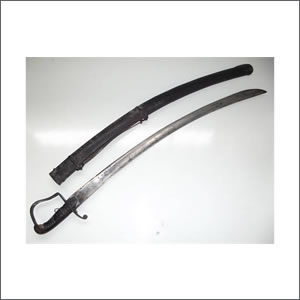 1796 pattern Cavalry Sabre.
The Pattern 1796 Light Cavalry Sabre is a sword that was used primarily by British light dragoons and hussars, and King’s German Legion light cavalry during the Napoleonic Wars.
The Napoleonic Wars were a series of major conflicts pitting the French Empire and its allies, led by Napoleon I, against a fluctuating array of European powers formed into various coalitions, financed and usually led by the United Kingdom.
Why not discover more about where this weapon was used, and by whom
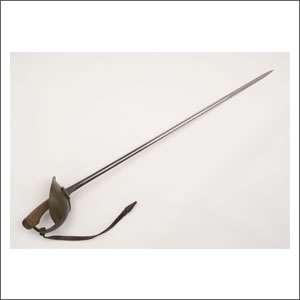 1908 pattern Cavalry Sabre.
The 1908 Pattern Cavalry Trooper’s Sword was the last service sword issued to the cavalry of the British Army.
It has been called the most effective cavalry sword ever designed, although its introduction occurred as swords finally became obsolete as military weapons.
This type of sabre was using on the Western Front, 1914-18.
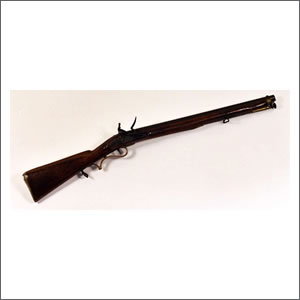 Paget Flintlock Carbine.
Among the various types of carbine in use by the cavalry was the Paget Carbine.
The development of this weapon has been linked with Colonel Henry Paget who commanded the 7th (or the Queen’s Own) Regiment of (Light) Dragoons from 1797. As Lieutenant-General The Earl of Uxbridge he commanded Wellington’s cavalry at Waterloo (1815).
The ramrod is attached to the barrel by use of a swivel feature to prevent it being dropped and lost. Without the ramrod the weapon was useless.
The feature of the Paget carbine was its very short 16-inch barrel length. This although making the weapon easier to load and arm, made it very inaccurate.