The Regiment trials new drone warfare from tanks.
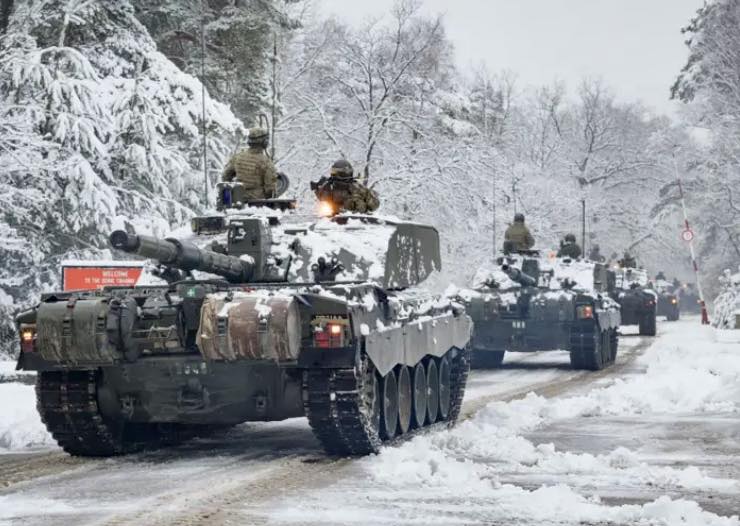
Over 350 troops from the Queen’s Royal Hussars (QRH) have tested new ways of fighting with drones in Sennelager, Germany.
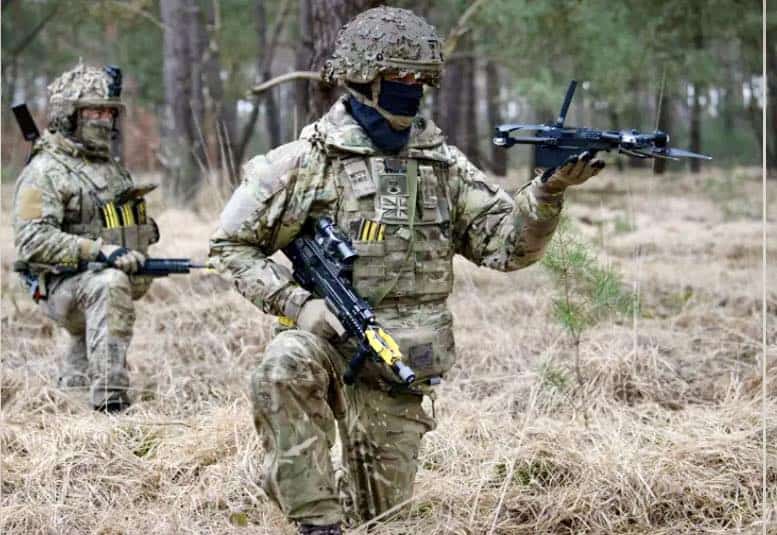
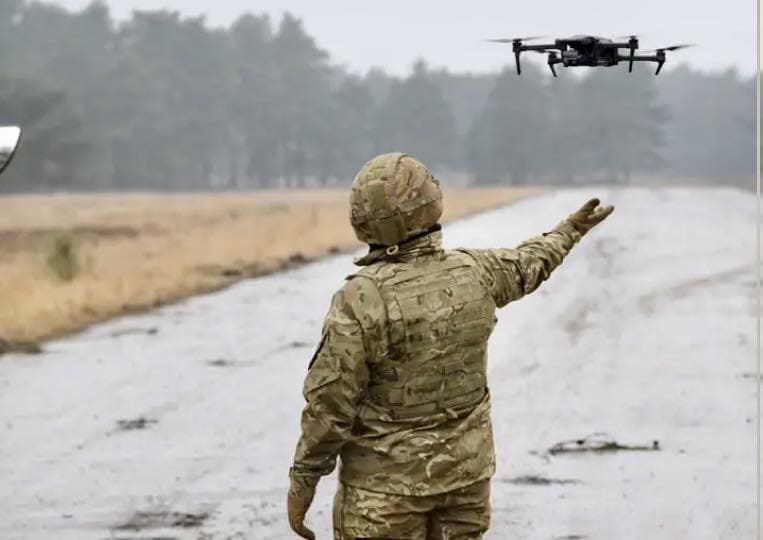
The soldiers trialled launching surveillance and strike drones from moving armoured vehicles, sharing live feeds across all troops in real time, without having to get out.
A new helmet design was also tested which lets tank crews switch between vehicles and on foot without changing headgear.
Exercise Senne Hussar also saw the first field deployment of the Army’s new Find and Strike Squadron, the first of its kind in the Field Army. The squadron combines reconnaissance, drone and strike troops, enabling units to locate and engage targets faster and more effectively and at greater distance.
‘B’ Squadron Leader Major Douglas Graham, QRH, said:
“I am converting my Challenger 2 Squadron into the first Find and Strike Squadron in the British Army. Here on exercise, we are developing tactics and procedures and trialling how we integrate ground reconnaissance and the use of drones with precision strike troops to shape the battlefield ahead of us at a greater range than ever before.
“We are also flying drones under-armour and on the move to integrate the system’s capability into an armoured battle group so we can operate at a tempo unmatched by our enemies.”
Soldiers trialled sharing live drone data across the entire battlefield, giving every soldier — from tank crews to dismounted infantry — a common picture of the fight in real time. This supports faster decision-making and reduces reliance on voice communications from headquarters.
A new high-cut helmet was also trialled for the first time with a field unit. This allows tank crews to clip their communications headset in and out when moving between vehicles and on foot, without needing to change helmets.
The exercise used the Combined Arms Tactical Trainer simulator facility at Sennelager before moving to live training, allowing troops to rehearse and then immediately apply new tactics in the field.
Commanding Officer Lieutenant Colonel Gerald Kearse, QRH, said:
“We are turning up the dial on Army modernisation. For me it is really simple: It’s about becoming more ruthlessly lethal. But it is not just about capability replacement. We need to think about how we want to fight conceptually, followed by what we want to fight with. Here in Sennelager we are proving some of the no-regret actions that need to be taken in terms of tactics and form and show the benefits of armoured forces being able to integrate into a digital network.”
This investment in battlefield modernisation supports the government’s Plan for Change commitment to rebuild Britain’s defences and ensure the UK’s armed forces remain capable and lethal.
Exercise Senne Hussar trialled the QRH’s conversion to a new ‘Type 44’ structure, which reorganises armoured units to maximise battlefield lethality and situational awareness.
The QRH is one of three heavy armoured regiments transitioning to the new Armoured Regimental structure which converts one tank squadron in each unit to sole Reconnaissance and Find and Strike duties while not reducing the number of tanks within the Regiment. This enables tank regiments to become more agile, capable and lethal.
From Army News