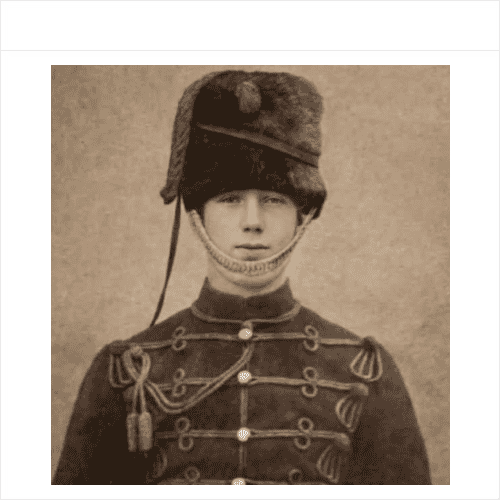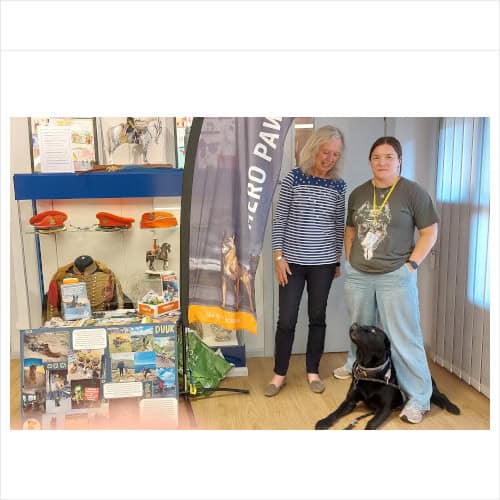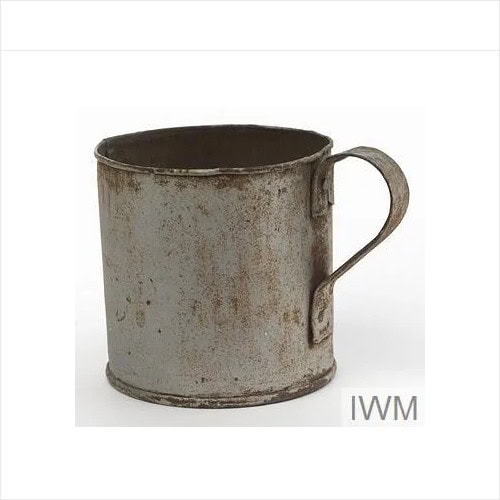
9799 Pte TB Grassick, 4H
Thomas Grassick was captured at Mons on the 24th of August 1914.
Thomas was listed as “Wounded” on the Casualty List issued by the War Office on the 4th of October 1914 and therefore was entitled to wear a “Wound Stripe” as authorised under Army Order 204 of 6th July 1916. The terms of this award being met by their naming in this list.
He was admitted to Queen Alexandra’s Military Extension Hospital, Millbank, London, S.W. and listed as “Wounded, returned Prisoner of War” on the Casualty List issued by the War Office on the 8th of June 1916.
Chronological Timeline of Captivity
25 August – early September 1914
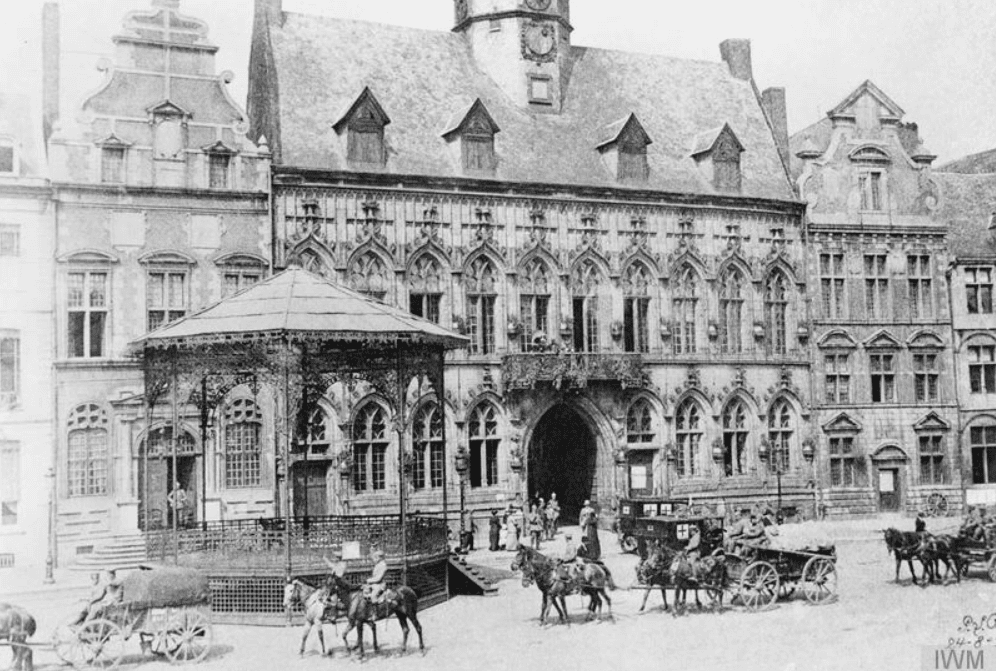
Mons — Capture & Temporary Hospital
Grassick was wounded at Mons and rescued by two Belgian civilians.
He spent a week in a temporary hospital on the outskirts of the city.
“I was picked up on 25th August… and taken to a temporary hospital… we were decently treated there.”
Sept – 5 October 1914
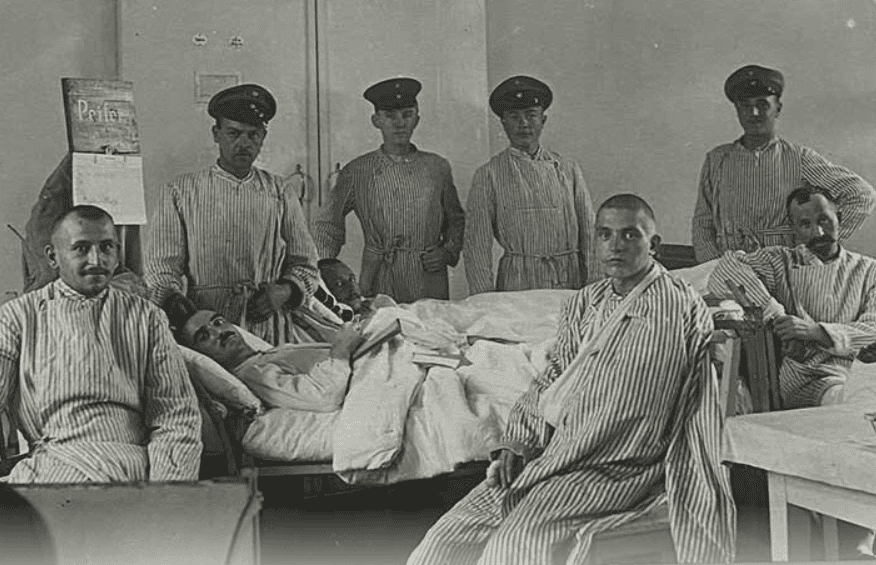
Bielefeld Hospital
Transported in cattle trucks for four days and nights, with almost no food or water.
Civilians were ‘encouraged’ to throw stones and strike prisoners at station stops.
At Bielefeld Hospital:
* ~100 English, 500 French
* German Red Cross staff “quite decent”
* Good medical treatment and sanitation
5 October 1914 – 5 September 1915
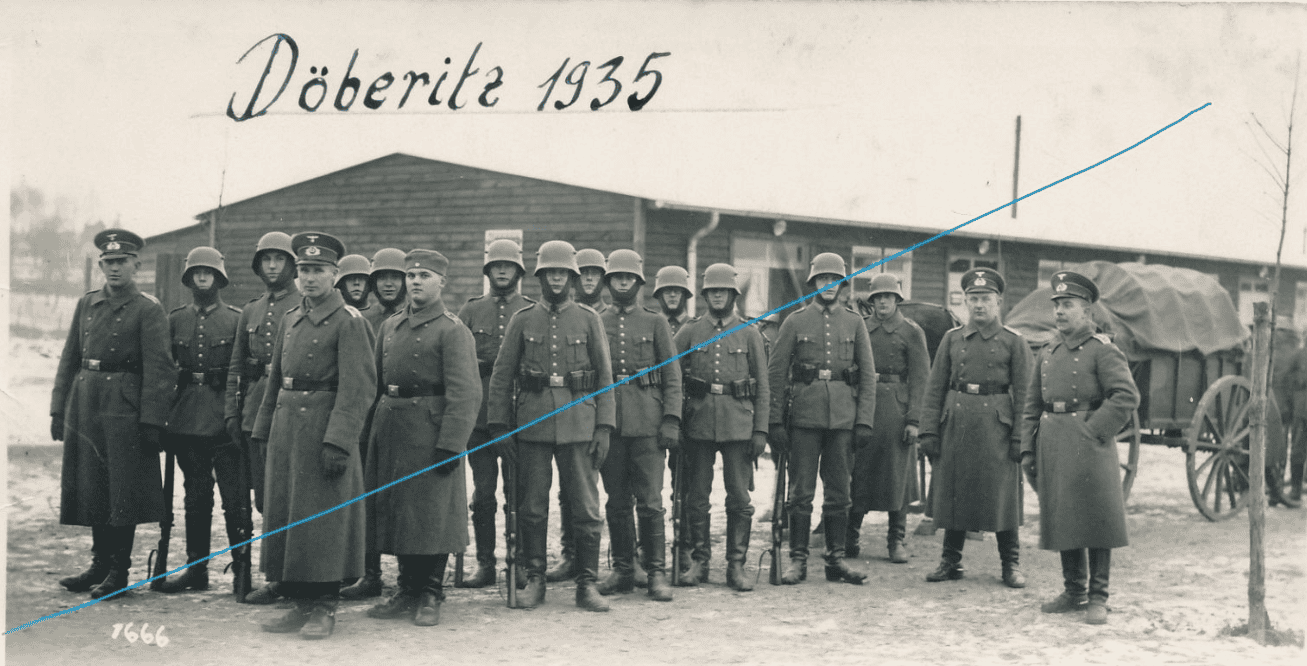
Döberitz Camp
One of Germany’s largest POW camps (~25,000 prisoners).
Conditions included:
* Tents until December (550 men per tent)
* Sentries using bayonets and rifle butts
* Poor sanitation
* Food “bad and scanty”
* Parcels began arriving February 1915
* Later improvements:
* Concerts, cricket, and Sunday services
* Smoking allowed
5 – 15 September 1915
Dyrotz Camp
The Dyrotz camp (located near Wustermark in Brandenburg, Germany) operated as a World War I prisoner-of-war (POW) camp from 1914 to 1918.
It primarily housed British and Russian soldiers, alongside other Allied captives.
It featured well-ventilated barracks, recreation areas, sports facilities, and hospital wards.
15 September 1915 – 20 May 1916
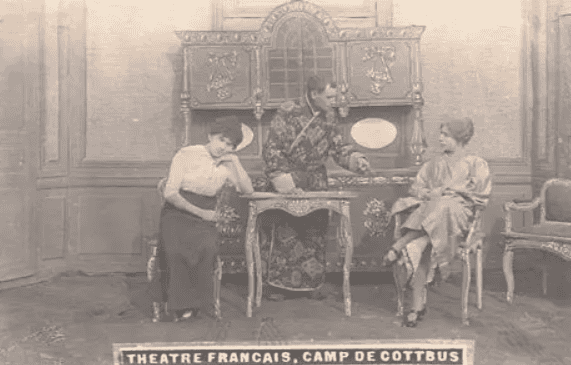
Cottbus Invalid Camp
An invalid camp for incapacitated prisoners.
Conditions:
* Straw mattresses, two blankets
* Heated huts
* Light work only
* Smoking allowed except in huts
* Parcels arrived regularly
* No major punishments except cells under the racecourse grandstand
The following is an account given by Pte TB Grassick about his time as a prisoner of war.
Place and Date of Capture: Mons, 24th August 1914.
Nature of Wound, if any: Rifle wound, left hip; dropped foot result.
Mons. Aug 25 – Sept 1: I was picked up on 25th August by 2 Belgian civilians and taken to a temporary hospital on the out-skirts of Mons, where I remained a week, and while there neither wrote nor received letters. I was given no opportunity to write while there. The medical men and there were 2 Germans, but the stuff were Belgian, we were decently treated there.
Journey. Sept 1, 1914: From there I was moved to Bielefeld Hospital about, 60 kilometres from Berlin, a journey by train of 4 days and nights. The military guard till we crossed the border were descent, but after that the treatment was very bad. We had no food, and they refused to get us water, and at the stations where we stopped opened the doors to show us to civilians, who throw stones at us and hit us with sticks. We were in simple cattle trucks, and were only allowed to get out twice during the journey.
Bielefeld. Sept – Oct 5, 1914: I was in this hospital about a month, till 5th October 1914; there were about 100 English and 500 French there. Here we were attended by the German Red Cross, who were quite descent. No complaint of anything there, except the French were given extra luxuries there were. Medical treatment, nursing, lodging, food and sanitary arrangements all good. We were allowed to write one postcard, which was returned 2 days later on the excuse the German prisoners in England weren’t allowed to write home. No operations were performed in this hospital.
Doberitz. Oct 5, 1914 – Sept 5, 1915: From there I was taken at night to Doberitz Camp, about 4 hours’ journey, by train, in ordinary carriages, and have no complaint against the military guard en route—being dark, there was no danger from any civilians at the stations. Here I was till 5th September 1915. There were about 25,000 prisoners here—English, French, Belgians and Russians —ours being about 8,000. I don’t know the names of the commandants, but the first one who was there the first two months was a bad one. We were in tents till 9th December, about 550 in each, and at morning parade, before we had time to fall in through the one only flap, he would tell the sentries to turn us out at the point of the bayonet. and the sentries would stick them with bayonets and club them with the butt, ana that is why Lonsdale struck the sentry because he stuck him in the hip. NO heating. One trough for washing for about 6 tents. Sanitary arrangements, a pit and a pole, There was a hospital tent, holding about 300, for the most incapacitated, and any of us who required were dressed there by our own orderly R.A.M.C. There were on German Red Cross or doctors there. Food was bad and scanty, but there was a canteen where you could buy lemonade and cigarettes, and, till February 1915, bread (not bad), 80pf, a loaf. About February 1915, we began to receive parcels from England. Contents arrived in good order, and nothing except papers taken out. The parcels were opened by our representative before 3 Germans, and when passed by them handed over.
The commandant who took charge after November was much better one than the former, and under him we had at first a drill morning and evening, and, in April concerts and cricket were allowed. Smoking was allowed. There were services of sorts every Sunday evening. An interned English Army chaplain – Williams – came in about once a fortnight, and the German pastors held the others. I didn’t receive many postcards myself, but don’t fancy any were stopped. Letters, however, were thrown on one side till the postcards were censored, which sometimes delayed them tree weeks. They tried to persuade our men to make munitions, but they refused, but the Russians made them. We were set to dig practice trenches, drag coal from the station etc, but no payment was made.
The only clothing which was supplied by the Germans was to those who went out to work. I brought an overcoat with me from Bielefeld, and got one change of washing from the American Ambassador about December, and some clothes from home, but none from the Germans though asked for. There was no epidemic while I was there. We were punished for breaches of discipline, but weren’t told the regulations first. Tying up and sometimes flogging usual punishment, and chiefly for refusing to work outside. Several of our men are working in coal-mines (Seftonberg), brickfields, and the exterior Of munition works (Oranienberg), who are supposed to in camp.
The Polish Russians and even the French will work the munition machines, but ours won’t, and our men are treated worse than the others. The American Ambassador came only three times while I was there, and his visits were always known beforehand and special preparations made better food provided. He talked to some of the sergeant-majors, but German officers were always within earshot. When in the tents or huts (after December) we had straw mattresses and two blankets. Sir Roger Casement didn’t visit this camp, but in January 1915 all the Irish were moved of to a camp by themselves at Lemberg. While I was there conditions of treatment improved, not the food; that got will get worse. I attribute this to the fact that our original guards hadn’t been to the front and our later ones had been out fighting, had more respect for us and no wish to go to the front again.
Dyrotz Sept 5 – 15, 1915: From Doberitz I was moved with 600 others, on 5th September 1915, to Dyrotz, which was a small “self-Supporting” camp. Only about 3,000 English, French and Russians—of whom English were 1,000. There I had nothing to complain of, but, of course, T was only there 10 days. The commandant was a very nice fellow, who said he would look after us well if we played the game, and the food quite fair. You were put to work on the railway or hauling coal, etc. for contractors, who paid you 35pf. day, and the balance of your pay went into the camp fund, which was thus self-supporting. I was here so short. a time that I have but little reliable evidence to give us to this camp, but all my experience was good. The commandant was an officer crippled in the legs in the course of the war on September 15th. I and others of the most incapacitated, 250 in all, were sent by train about 60 miles to Cottbus. as we weren’t, able to work and help support the camp, have nothing to complain as to the treatment by the guard or civilians on the journey.
Cottbus. Sept 15, 1915 – May 20, 1916: This is one of two camps, Mersdoff and Cottbus, and the commandant is a Mersdorf, and I never saw him at ours. Cottbus is an invalid camp, and nothing, therefore, but light work is given. They sent 14 out to work in coal mines, 2 of them marines, and one only a boy of about 16. About 20 more were sent out on a farm, but were sent back charged with stealing and eating potatoes, but they had really been burying them, a sack at a time. The English were in one hut, which would of held 500, and the sleeping arrangements were straw mattresses in bunks. There were 2 blankets per man, and lots of coal stores kept going all night and lights till 9pm. Smoking allowed except in the huts.
The Russians were the bulk of the prisoners here, about 20,000. There were no punishments here except cells under the racecourse grandstand. If you refused to do the light work you were sent to Mersdorf to be tried, but I was never sent. We were in the charge of a German sergeant, and all our guards were men returned from the front, who behaved decently. The food was poor, and none could be bought. The sanitary and washing arrangements I’ve nothing to complain of, and the sick were sent to Mersdorf, but I never went there. The Army Chaplin, Williams, mentioned before, came twice while I was there to hold services, and one of our sergeant held a service each Sunday evening. Our parcels cam regularly and were opened by an English sergeant and handed over to us. We were asked from time to time if we wanted clothing, but we had a sufficient supply from home. Concerts were allowed, but the promenade was cramped, so exercise was what we missed. The sergeants had 5 hours’ drill a day instead of work. There was no epidemic while I was there, but we heard 500 Russians died from fever (don’t know what) before we got there. There were cases of consumption, which I think is increasing. The American Ambassador’s representative came once while I was there, a month before I left, and he insisted on keeping the German officers out of earshot; but we were told if complaints were made to him when he came again all of us would be punished.
The better arrangements were that you were allowed to write a letter home and a card one week and a card the next. Our letters reached us much quicker here than elsewhere, perhaps because there were so few English there.
The conditions remained much about the same all the time I there.
Sir Roger Casement didn’t come there.
27th May 1916