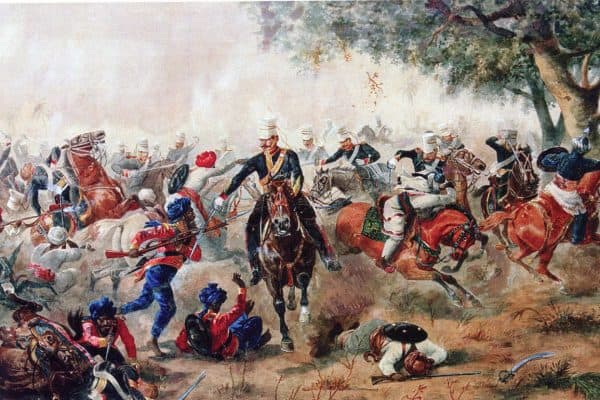
4th HUSSARS: TALAVERA 27th JULY 1809
The 4th Dragoons were present at the battle of Talavera…
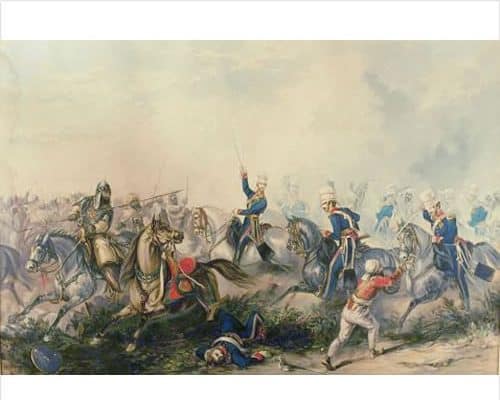
The 8th, commanded by Colonel Thomas Packenham Vandeleur, played a key role in the victory over the Marathas at Leswarree…
The 7th (Queen’s Own) Light Dragoons played a dashing role in this severe defeat of the Revolutionary French…
The 7th (Queen’s Own) Light Dragoons were heavily involved in this battle that took place during the siege of Landrecies…
In July 1751, King George II ordered that the Queen’s Own Regiment of Dragoons should bear the number “7” on its appointments as an indication of its seniority, they were also given the right to bear the Queen’s cipher, still used today
The regiment embarked by troops at a number of the Thames ports and about August 11th, 1742, arrived at Ostend. During the remainder of the year they did very little and subsequently went into winter quarters …
In 1742 the War of Austria succession started and Rich’s Dragoons went into battle the following year at Dettingen …
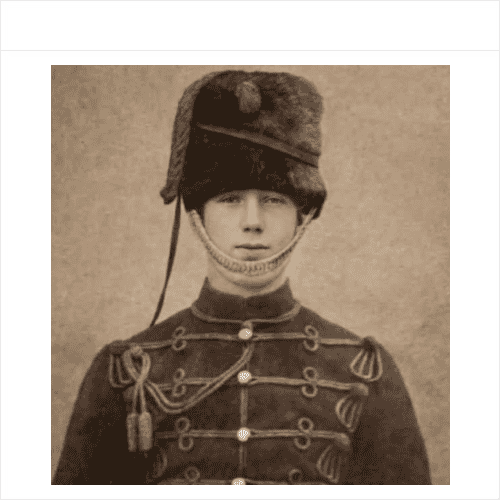
Undeniably the 7th Hussars were the embodiment of dash and panache for which every cavalry regiment strives. Nicknamed “The Saucy Seventh” they were notably recognised as a fashionable regiment. The roots of the 7th Hussars date back to 1690 when Colonel Richard Cunningham was ordered to relinquish his foot command and take over a regiment of Dragoons. The dragoon regiment, titled Cunningham’s Dragoons were sent, in March 1692 to Edinburgh to assist in law and order duties In 1750 George…
The 7th (The Queen’s Own) Regiment of (Light) Dragoons (Hussars) 1813, “Boots and Saddle”
On 27th June 1743, King George II led his Army into battle near the village of Dettingen …